

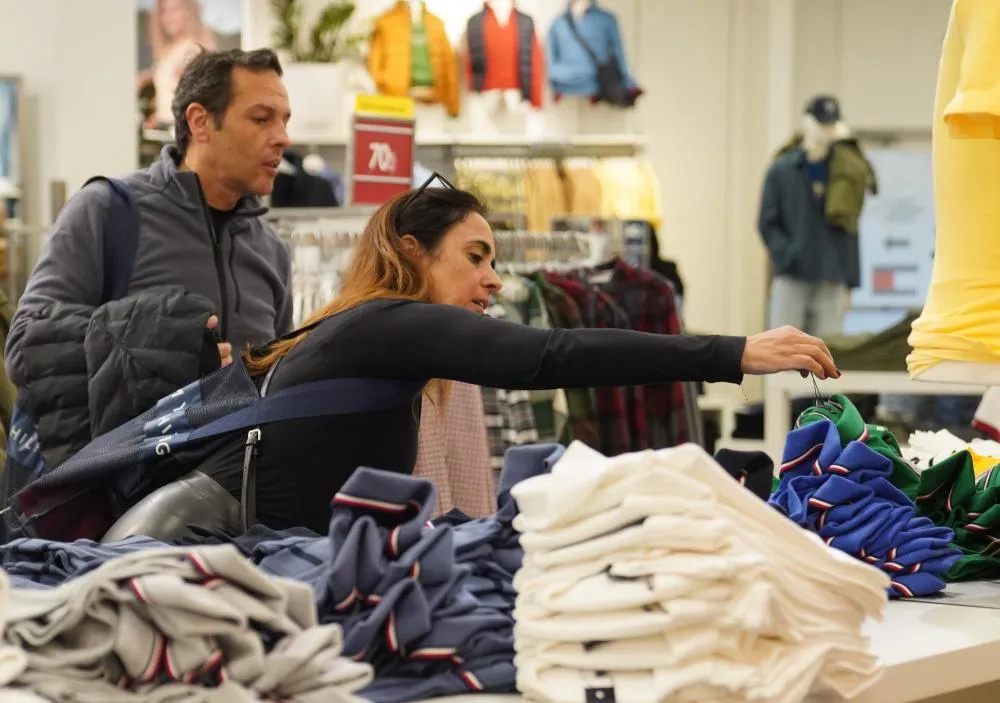
Anyone selling clothes today runs into the same awkward moment: a customer picks up a garment, checks the tag, and asks, "Is this sustainable?" If you say yes, the next question is "Then why is it so expensive?" If you hedge, they put it back. Worse still, some customers follow up with "Sustainable in what way?"-and for a second you're not sure whether they mean the fabric, the dyeing, or the packaging. This scene plays out in stores almost every day, and it usually happens at the exact moment a customer has already shown interest in a garment and is one step away from buying. One clumsy answer, and the sale is gone.
The problem isn't that customers don't care. It's that the phrase "sustainable clothing" has been used so loosely, for so long, that even the people selling it struggle to explain what it actually means. For a clothing seller, the practical move isn't to memorize certification acronyms and carbon-footprint statistics. It's to translate "sustainability" into something the customer can immediately understand-and is willing to pay for. This isn't abandoning the environmental message. It's finding a more effective way to deliver it. After all, no customer buys a garment because it is "sustainable." They buy it because it feels comfortable, washes well, doesn't itch, and is worth the money. If the garment happens to be sustainable too, that's a bonus.
What Customers Actually Care About Isn't "Green." It's "Good for Me."
A pattern repeated in retail: tell a customer "this is made from recycled polyester, it reduces carbon emissions," and the typical reaction is a polite "oh," followed by the garment going back on the rack. But say "this fabric doesn't trap heat, holds its shape after repeated washing, and still looks new after two seasons," and the customer starts touching the fabric with interest-sometimes even asking how it compares to the piece next to it. Same garment, two pitches, completely different outcomes.
This isn't an argument that sustainability doesn't matter. It's that sustainability has to attach itself to a value the customer can feel. An organic cotton T-shirt with a small "organic" tag conveys nothing on its own. But if the salesperson says, "This cotton hasn't gone through the harsh chemical treatments that make regular cotton feel scratchy and stiffen after washing-it stays soft against the skin," the customer understands why it costs more. What the customer is buying was never the word "sustainable." It's the specific, wearable benefit behind that word.
Going a layer deeper: customers are actually guarded about the word "sustainable." Over the past few years, too many brands have used "eco-friendly" as a justification for higher prices without delivering a corresponding improvement in quality. Customers have been burned, so they are wary. The more a salesperson repeats "sustainable," the more the customer suspects they are being asked to pay extra. The reverse works better: explain the garment's real benefits thoroughly first, then mention the material source lightly. Customers are more receptive-and may even think, "This brand is actually straightforward."
Put simply: for a clothing seller, sustainability isn't a selling point. It's background information that needs to be translated into one. Translated well, it's a bonus. Translated poorly, it's an empty phrase that makes customers frown.
Three Practical Directions You Can Use on the Floor
Depending on the fabric category, sustainability information can be translated into language the customer already understands. The following three directions can be used directly in stores.
Direction 1: For anything worn against the skin, talk about "clean."
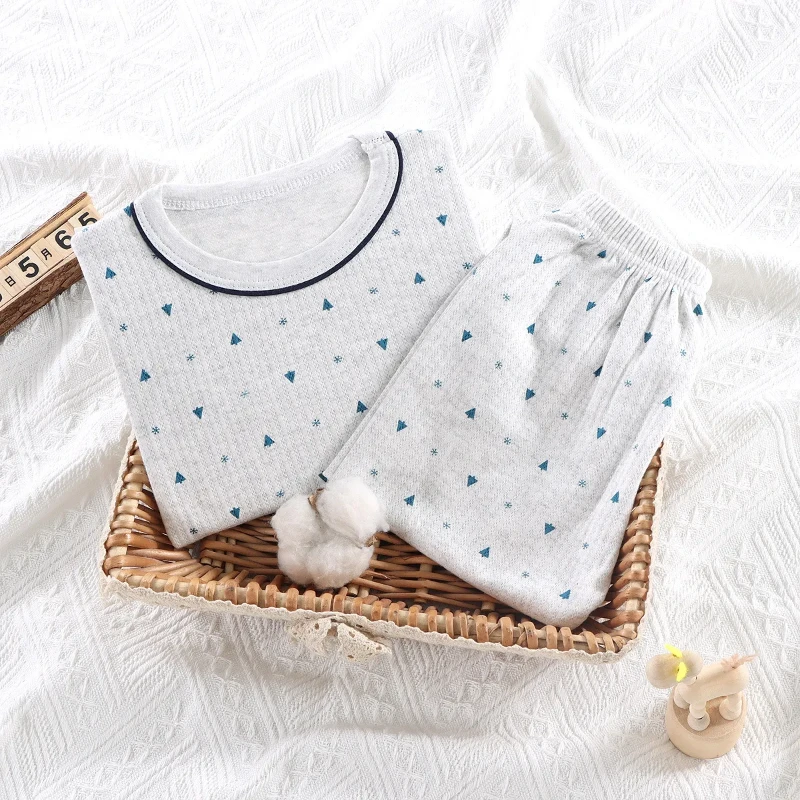
For underwear, T-shirts, and children's wear, the customer's primary concern is safety and comfort-especially parents shopping for kids. If the fabric carries a harmful-substance certification like OEKO-TEX Standard 100, skip the acronym and say: "This has been tested for skin-contact safety-no formaldehyde, no banned dyes. Safe for kids to wear directly against the skin." That lands far better than "eco-certified." When parents hear "zero detection," they tend to nod. You don't need to explain who issued the certification or how strict the standard is. You just need to translate the conclusion into the one thing they care about most: is it safe? If the customer asks how it differs from ordinary cotton, add: "Some residues in regular fabric you can't see or smell, but this one has been tested specifically to skin-contact standards-it won't cause redness even on sensitive skin." That sentence turns "invisible safety" into "a risk comparison the customer can imagine," which makes the decision easier.
Direction 2: For activewear, talk about "dry."
Recycled polyester and recycled nylon are inherently quick-drying and lightweight. The pitch: "This uses recycled fabric, but the real benefit is that it moves sweat away faster than cotton-you won't have a wet shirt clinging to you after a workout, and the quick-dry performance holds up after dozens of washes." The customer is buying function. The recycled part is a bonus. The order matters here: lead with performance, then mention the material source in passing-not the other way around. Lead with sustainability and the customer starts calculating price. Lead with function and the customer starts calculating value. If the customer is a regular runner or gym-goer, add: "This fabric dries fast after you sweat, so you won't catch a chill after a winter workout." That line often moves serious athletes more than any environmental terminology.
Direction 3: For outerwear and denim, talk about "durability."
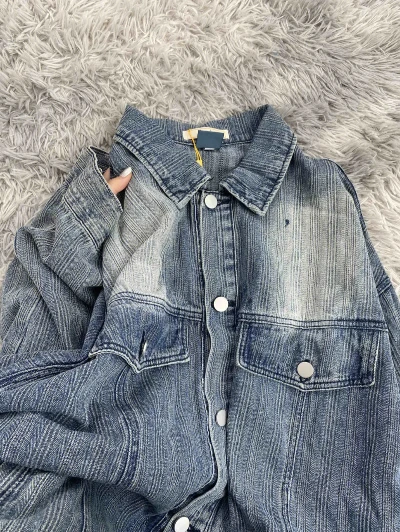
For jackets and jeans, the most genuinely sustainable thing you can do is help the customer wear them longer. Say: "This fabric passed an abrasion test of over ten thousand cycles-no pilling, no warping after two or three years of normal wear." Longer use is the most meaningful environmental benefit, and it's a claim the customer can instantly understand and appreciate. One coat worn for three years beats three coats worn for one year each-both on the environmental ledger and on the customer's wallet. That's a line a salesperson can deliver with confidence, because it holds up on both counts. If the customer hesitates at the price, help them do the math: "This one costs a bit more, but you won't need to replace it for three years-that's only a few dozen yuan extra per year, and you save the time spent shopping for a new one." Spreading a one-time cost across years of use is the calculation customers accept most readily.
One Pitfall to Avoid
There's one line of pitch best left unused: "Buying this is doing something good for the planet." It sounds noble, but it often backfires. The customer's instinct is to feel you're using guilt to justify a higher price. In a price-sensitive store especially, the moment that sentence lands, the customer's smile freezes.
A better approach flips the order: acknowledge that the customer's money needs to be well spent, then mention that this garment happens to carry a lighter footprint while delivering on that value. For example: "This one is thirty yuan more than that one, but the fabric holds up better to washing-it won't stretch out over a year, so it actually works out cheaper. And the yarn happens to be made from recycled material, which is a nice extra." Notice that last phrase-"a nice extra." It places sustainability in a supporting role, which paradoxically makes the customer feel you're not selling an ideology but helping them do the math. What customers resent isn't sustainability; it's being lectured. What they accept isn't sustainability either; it's a good deal.
One more detail worth noting: don't launch into sustainability philosophy before the customer has decided to buy. The customer's decision sequence is always "Do I like it? Does it fit? Is it worth it? Should I buy it?" Sustainability belongs in the final step as a supplementary reason, not as an opening line. It works best tucked into a "by the way" sentence right before closing the sale.
A Small Suggestion for the Store: Keep a Two-Minute Clip Handy

If your store has a screen, or your staff can pull up a video on a phone, the most effective thing to show is not the disturbing pollution footage. That makes customers feel guilty and then leave. Show a solutions-oriented clip instead.
The final act of the documentary RiverBlue visits manufacturers in Italy and Spain using new techniques to cut water and chemical use. The footage is clean and hopeful. The customer's takeaway is "people are doing the right thing," not "buying clothes makes me part of the problem." The salesperson can then say, "The process on these jeans is similar-the wash cycle uses about half the water." The video becomes a sales tool instead of a lecture.
One caveat: don't loop the pollution footage, and don't pair it with heavy, somber music. Customers came to buy clothes, not to attend a class. Two minutes, clean visuals, a sense of solutions-that length and tone hit the mark. And the salesperson's natural follow-up sentence after the clip is often more persuasive than the video itself. Also, place the screen near the fitting area rather than the checkout counter. Customers waiting for a fitting room, in a relaxed mood, are most receptive. Put it at the register and they will assume you are giving them "one last lesson" before payment, and their defenses go up immediately.
Finally, every technique above rests on one precondition: the clothes you sell must actually live up to the words. If the fabric is genuinely ordinary and you force sustainability language onto it, the customer will see through it after two touches-and trust is damaged. Words are a translation, not an invention. They translate a garment's real benefits into language the customer understands. That order cannot be reversed.