


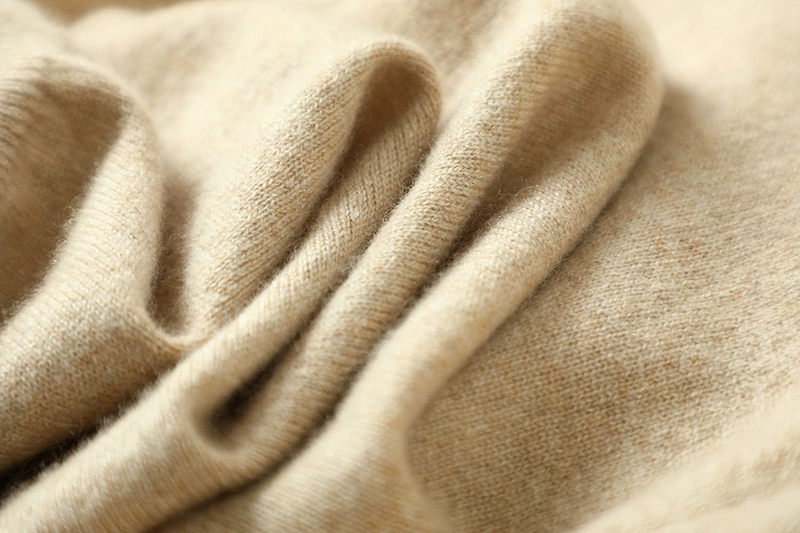
Cashmere: The "Soft Gold" of Fibers
At the pinnacle of natural animal fibers, cashmere's status is nearly unassailable. It does not come from sheep, but from the thin downy undercoat hidden beneath the coarse guard hairs of goats. This scarcity dictates its price: a single goat produces only 150 to 250 grams of down annually, meaning it takes five goats to yield enough for one cashmere sweater. Cashmere fibers typically measure between 13 and 19 microns and feature a hollow core, allowing them to trap a remarkable amount of still air at minimal weight-providing 1.5 to 2 times the warmth of ordinary wool. The paradoxical unity of lightness and warmth you feel when holding a fine cashmere coat is precisely why it is crowned the "fiber queen." Yet, delicacy is the price. Cashmere cannot withstand machine washing, is highly susceptible to moths, and pills easily due to its short fibers, demanding a nearly luxurious level of care from its wearer.
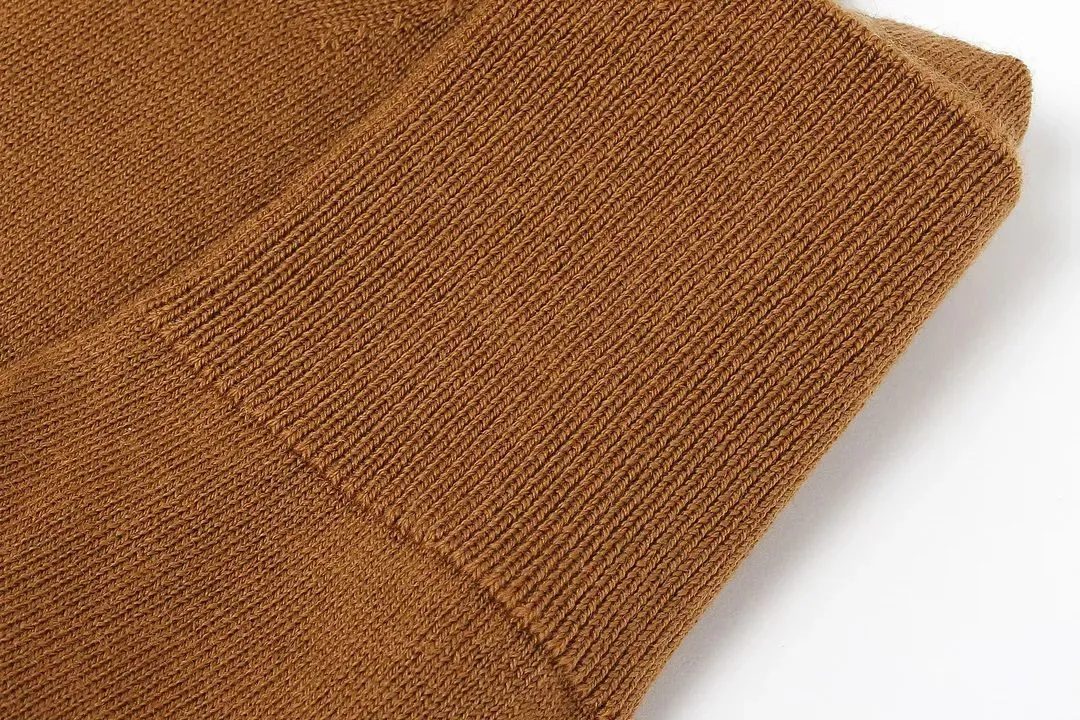
Merino Wool: The Tech Fiber That Broke the "Itch" Curse
If cashmere is synonymous with luxury, Merino wool is the exemplar of functionality married to comfort. Many people mistakenly believe they are "allergic to wool," when in reality they are reacting to the coarse, sharp scales of ordinary wool. Merino fibers are extremely fine-roughly half the diameter of a human hair-with smoother scale edges, allowing them to be worn directly against the skin without prickle. To outdoor enthusiasts, Merino is almost a "magic fabric": it absorbs large amounts of sweat during intense activity and releases it rapidly, while its natural antibacterial properties prevent odor even after consecutive days of wear. Compared to standard wool, Merino boasts superior elastic recovery, springing back into shape after being twisted or compressed, making it the material of choice for high-quality base layers and socks.
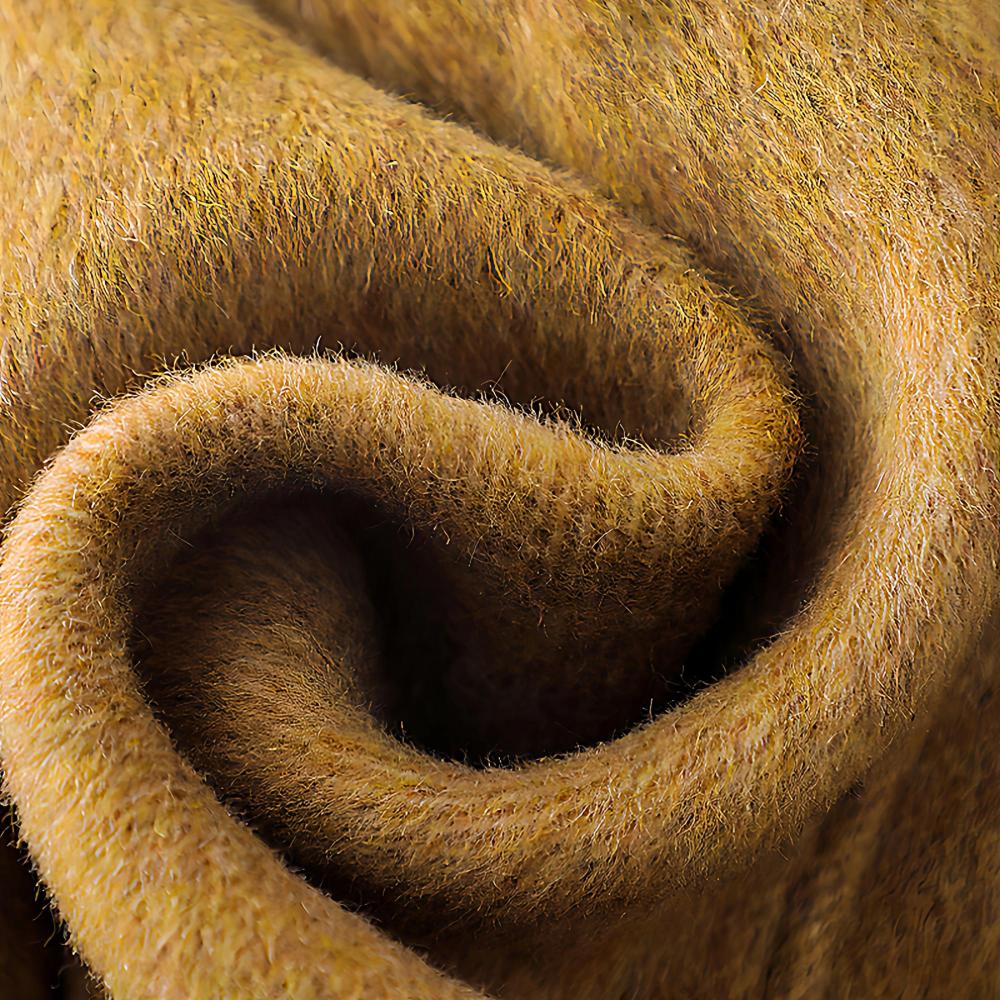
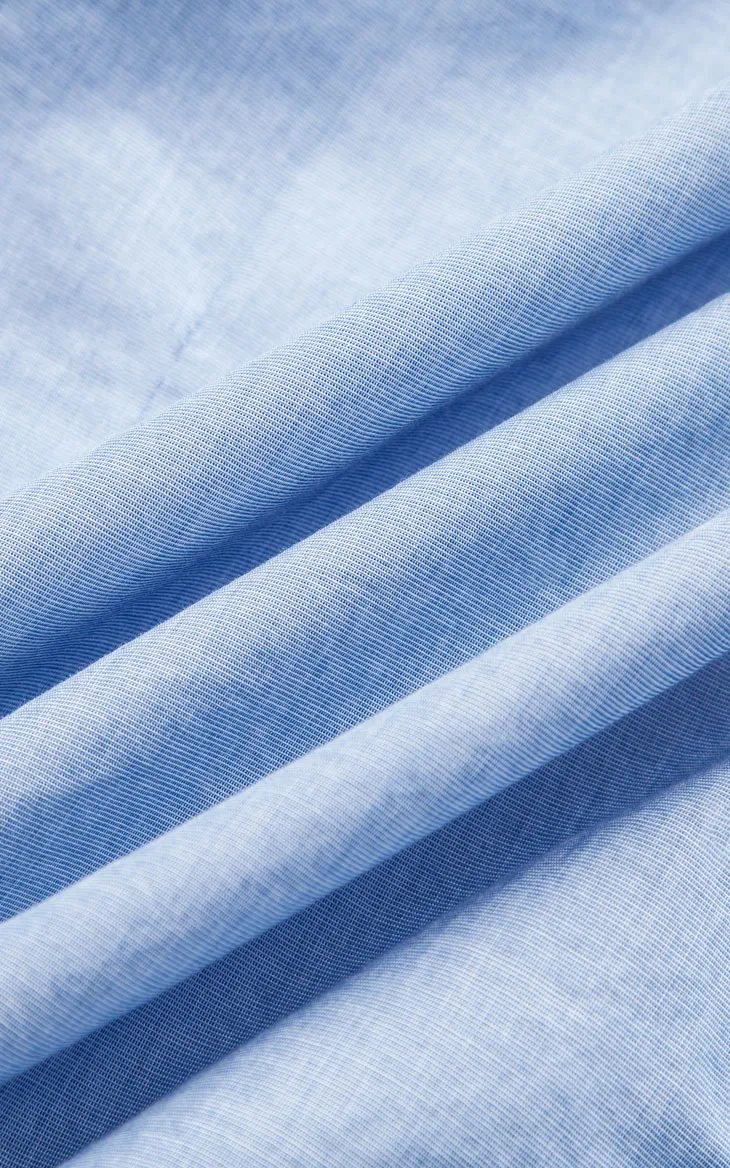
Standard Wool and Cotton: The Everyday Pillars
Descending from the pedestal, standard wool and pure cotton form the bedrock of most wardrobes. Standard wool (typically from sheep) offers solid warmth and a structured drape, making it a classic for suits and coats. However, its sharper scales often cause noticeable prickling against bare skin, and it tends to shrink and deform after washing, usually requiring dry cleaning. Cotton, the "people's favorite," wins on incomparable skin-friendliness and moisture absorption. Cotton fibers are soft, cause zero irritation upon contact, and withstand washing and high temperatures, making them the absolute mainstay for underwear and bedding. Yet cotton's weakness is equally clear: it absorbs moisture but dries slowly. In high-sweat scenarios, a soaked cotton T-shirt clings to the body and accelerates heat loss-which is precisely why pure cotton is rarely seen in professional athletic wear.
Synthetics: The Misunderstood "Functional Workhorses"
At the bottom of the natural-fiber hierarchy, synthetics often bear the stigma of being "cheap" and "stuffy." This is unfair. Take polyester: it is true that it has poor hydrophilicity and builds up static easily. But it is precisely this "flaw" that engineers have transformed into the core principle of quick-dry apparel. The capillary effect created by weaving ultra-fine polyester fibers channels sweat rapidly to the fabric surface for accelerated evaporation, keeping the body dry during exercise. Nylon is renowned for its extreme abrasion resistance, frequently appearing in windbreakers and swimwear; spandex provides irreplaceable high elasticity, allowing compression wear to conform to every muscle. Modern textile technology has even developed "cashmere-like polyester," mimicking the hand feel and moisture absorption of natural cashmere through a honeycomb micro-porous structure-at one-third the price.
How to Choose: Context Dictates Material
This hierarchy from cashmere to synthetics is not a simple ranking of "better" and "more expensive." A ten-thousand-yuan cashmere coat is impeccable on a dry, freezing street, but its warmth diminishes significantly in rain or snow. A hundred-yuan quick-dry synthetic T-shirt is far more comfortable on a marathon course than cotton, yet falls short in the texture competition of daily commuting. True sartorial wisdom lies not in blindly chasing the most expensive fiber, but in understanding the physical language of each material and deploying it in the right context.